The project went through seven iterations. The first batches were relatively small and helped refine the requirements using real project data. After that, the volume gradually increased: the main deliveries included thousands of images, while the team was able to work with a more stable set of guidelines and move through subsequent parts of the dataset more efficiently.
Specific rules were established for ambiguous cases. An object was annotated if enough of its area was visible or if all features required for confident identification could still be found. Heavily blurred or cropped objects, elements below the defined minimum size, and objects visible only in mirrors were excluded. Attributes were added only when they could be identified directly from the image, without making assumptions.
Most of the annotation work was handled by a team familiar with the project's taxonomy and unique requirements, and, at different stages, included around 6 specialists.
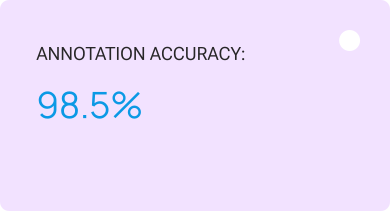
Quality control was performed by Keymakr at every level, with reviews and sanity checks developed to ensure a seamless delivery process. After receiving feedback, specialists conducted additional batch reviews and incorporated new clarifications into the annotation guidelines to prevent recurring issues and improve the average quality of future batches. As a result, the project achieved an average annotation accuracy of 98.5%, exceeding the expected 95%.
One of the key outcomes was the optimization of the production process. As the team progressed through the initial iterations, it gained a clearer understanding of the actual production pace, targets, and deadlines, enabling Keymakr to refine the delivery model. As a result, the full project scope was completed roughly 20% more efficiently than the initial estimate, while maintaining the same data volume and quality requirements.
For Keymakr, this project carries established experience with computer vision in real estate into a new application area. The team has previously worked with property imagery in projects focused on identifying damage from fires and floods for insurance use cases. The work with Bright MLS builds on that experience by applying computer vision to the automated analysis of property characteristics.